What is the Cyber Kill Chain?
Cyber attacks are advancing at an unprecedented pace. Artificial intelligence is helping threat actors automate reconnaissance, create increasingly convincing phishing campaigns and accelerate the development of malware, while ransomware groups continue to refine their tactics and target organisations of every size. Although the methods attackers use have become more sophisticated, the fundamentals of a successful cyber attack have not changed. Every successful breach still follows a sequence of events.
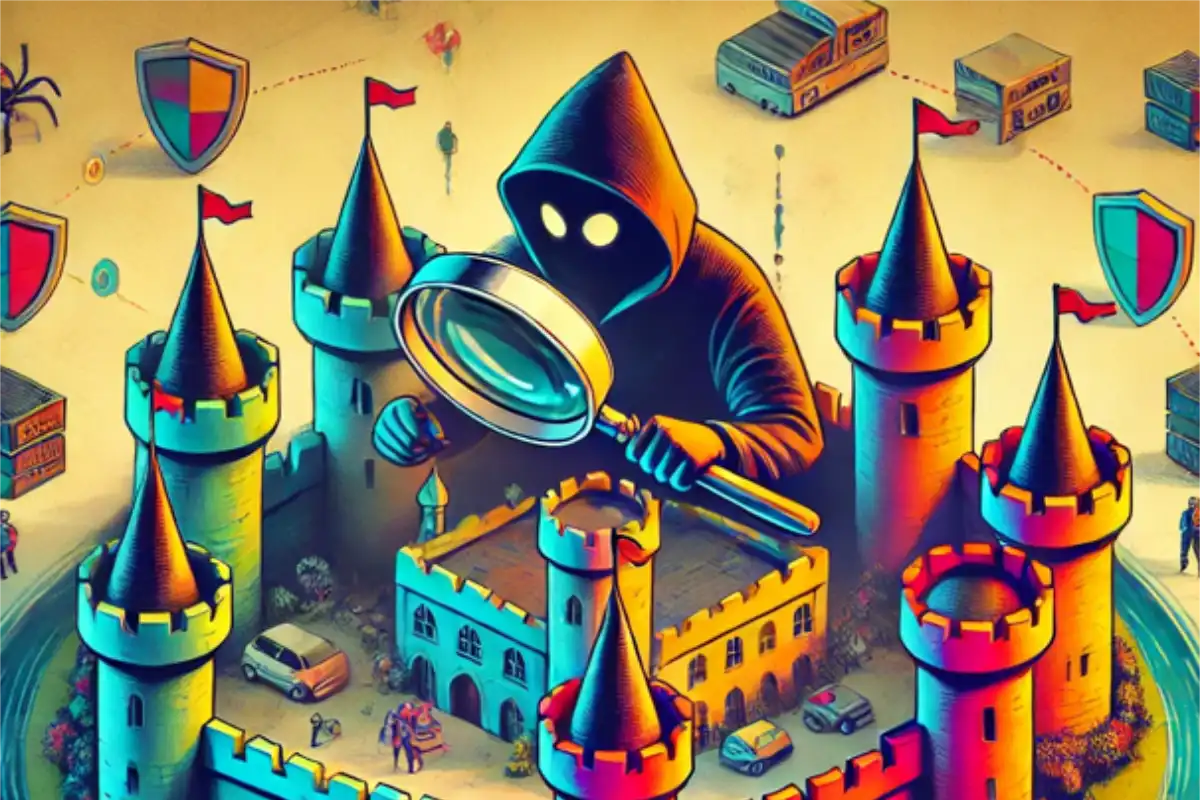
Originally developed by Lockheed Martin, the Cyber Kill Chain provides a structured framework for understanding how attackers move from researching a target to achieving their objective. Whether that objective is stealing sensitive information, disrupting operations or deploying ransomware, every stage of the attack presents an opportunity for defenders to intervene.
Back in 2024, we began publishing our Understanding the Kill Chain series to explain each phase of the attack lifecycle and demonstrate why a layered security strategy is essential. Two years later, that advice remains just as relevant but the way organisations apply it has become even more important.
How the Threat Landscape Has Changed Since 2024
While the Cyber Kill Chain itself has not changed, the speed and sophistication of attacks certainly have. Artificial intelligence is enabling cyber criminals to automate many of the activities that previously required significant time and expertise. At the same time, organisations continue to adopt cloud services, hybrid working and connected devices, increasing the number of potential entry points attackers can exploit. Rather than relying solely on malware, many attackers now abuse legitimate credentials and trusted administration tools to remain hidden within networks for longer periods. This is why understanding the Cyber Kill Chain is still so valuable.
Why Defence in Depth is More Important Than Ever
No single cyber security product can stop every attack. Modern cyber resilience relies on multiple security controls working together. Firewalls, endpoint detection and response, identity protection, vulnerability management, email security, user awareness training and continuous monitoring all play different roles throughout the attack lifecycle.
If one layer fails, another should detect or prevent the attack before it reaches its objective. This layered approach remains one of the most effective ways to reduce cyber risk. It acknowledges that breaches can happen while ensuring organisations have multiple opportunities to detect, contain and recover from malicious activity before it becomes a business-impacting incident.
How Syscomm Protects Every Stage of the Cyber Kill Chain
The principles behind the Kill Chain continues to shape the way we support our customers today. Rather than relying on a single technology, Syscomm designs layered cyber security strategies that address every stage of the attack lifecycle.
Before an attack even begins, threat intelligence, security awareness training and advanced email protection help reduce the likelihood of users interacting with malicious content. During the delivery stage, technologies such as email filtering, web protection, multi-factor authentication and conditional access policies help prevent attackers from gaining an initial foothold.
If an attacker attempts to exploit a vulnerability, proactive patch management, vulnerability assessments and endpoint detection and response work together to identify suspicious activity before malware can establish persistence. Should an attacker gain access to a device, privileged access management, endpoint security, network monitoring and continuous security analytics provide further opportunities to detect lateral movement and disrupt command-and-control activity before significant damage occurs.
Explore Our Original Cyber Kill Chain Series
If you’re looking to understand each stage in greater detail, our original Understanding the Kill Chain series explores every phase individually and explains the practical measures organisations can take to strengthen their defences.
Start with Understanding the Kill Chain: The Importance of Defence in Depth, before exploring our dedicated articles on Reconnaissance, Weaponisation, Delivery, Exploitation, Installation, Command and Control, and Actions on Objectives. Together, they provide a complete picture of how modern cyber attacks develop and where organisations can intervene to prevent a breach.
Build a More Resilient Cyber Security Strategy
Although the cyber security landscape continues to evolve, the principles behind the Cyber Kill Chain remain as relevant today as when we first published our series. Understanding how attacks unfold allows organisations to move beyond reactive security and build proactive, layered defences that reduce risk across every stage of the attack lifecycle. At Syscomm, we combine proven security technologies with expert guidance to help organisations strengthen their cyber resilience. Whether you’re reviewing your existing security posture or looking to improve your defence-in-depth strategy, our team can help you identify vulnerabilities, close security gaps and build a more resilient environment for the future.