
If Your Organisation Was Hit by a Cyber Attack Tomorrow, Would You Be Ready?
When we talk about cyber security, prevention usually dominates the conversation. But when an attack actually happens, one question matters more than any other: can your business recover?
Why Backup Strategy Determines Resilience
Backup strategies deserve far more attention than they typically receive. In a ransomware attack or major system failure, backups aren’t just a technical safeguard; they’re the difference between resuming operations and facing prolonged disruption, damage, and financial loss.
Organisations with strong data resilience practices recover faster and suffer less impact after cyber incidents. Why? Because resilience isn’t achieved by storing copies of data alone. It’s about knowing how that data can be restored, how long recovery will take, and how recovery fits into your wider incident response plan.
The Hidden Risk of Traditional Backups
Traditional backups are vulnerable. Through our experience of over 200 ransomware recoveries at Syscomm, a clear and consistent pattern has emerged. Modern attackers don’t stop at encrypting production systems; they deliberately seek out and disable backup environments to remove any viable path to recovery. In many cases, organisations only discover this once the incident is underway, when restoring data becomes the priority, and the backups they were relying on are no longer usable.
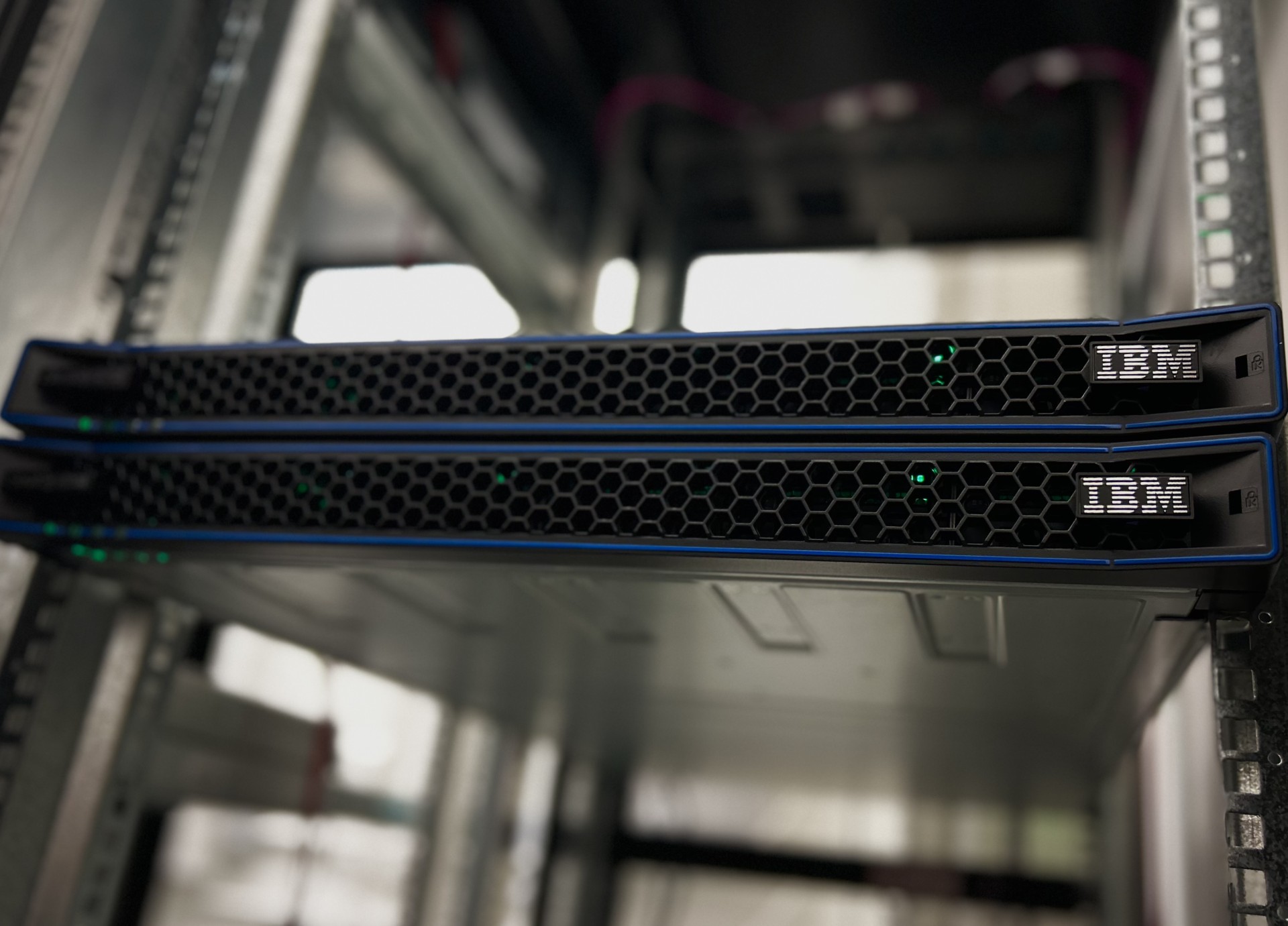
Recognising this as a recurring reality, we implemented IBM FlashSystem as part of our own internal network. By embedding immutability, automation, and cyber resilience directly into the storage layer, our backups are designed to withstand attacks, rather than relying on post-incident recovery processes. This approach ensures that recovery capabilities remain available when they are needed most.
From Safety Net to Strategic Capabilities
This reflects a broader shift in how backup is viewed across the industry. Backup is no longer a passive safety net, but a strategic component of cyber resilience. IBM FlashSystem supports this shift by integrating protection and rapid recovery directly into enterprise storage. With resilience built in by design, recovery becomes a predictable, repeatable capability rather than an afterthought or an annual test.
The focus moves from hoping backups will work to knowing they will, with measurable recovery outcomes when incidents occur. The difference becomes clear when something goes wrong. Organisations that invest in resilience recover quickly, communicate clearly, and regain control. Those that don’t often discover too late that their backups were never designed for the threat they’re facing.
Disruption is inevitable. Whether it comes from a cyber attack, human error, or system failure almost doesn’t matter. What matters is how prepared you are to respond. Backup strategies play a central role in that preparedness, yet they’re still too often left in the background.
The best time to ask whether your backups are ready isn’t during an incident, it’s now. Because when recovery becomes the priority, the strength of your backup strategy isn’t just a technical detail. It’s a business decision, and one that can define the outcome of your next major disruption